How Gruns Reached a $500M Valuation Powered by Creator Communities
Gruns achieved a $500M valuation by leveraging a decentralized network of 250K+ micro and nano-influencers rather than traditional celebrity endorsements.
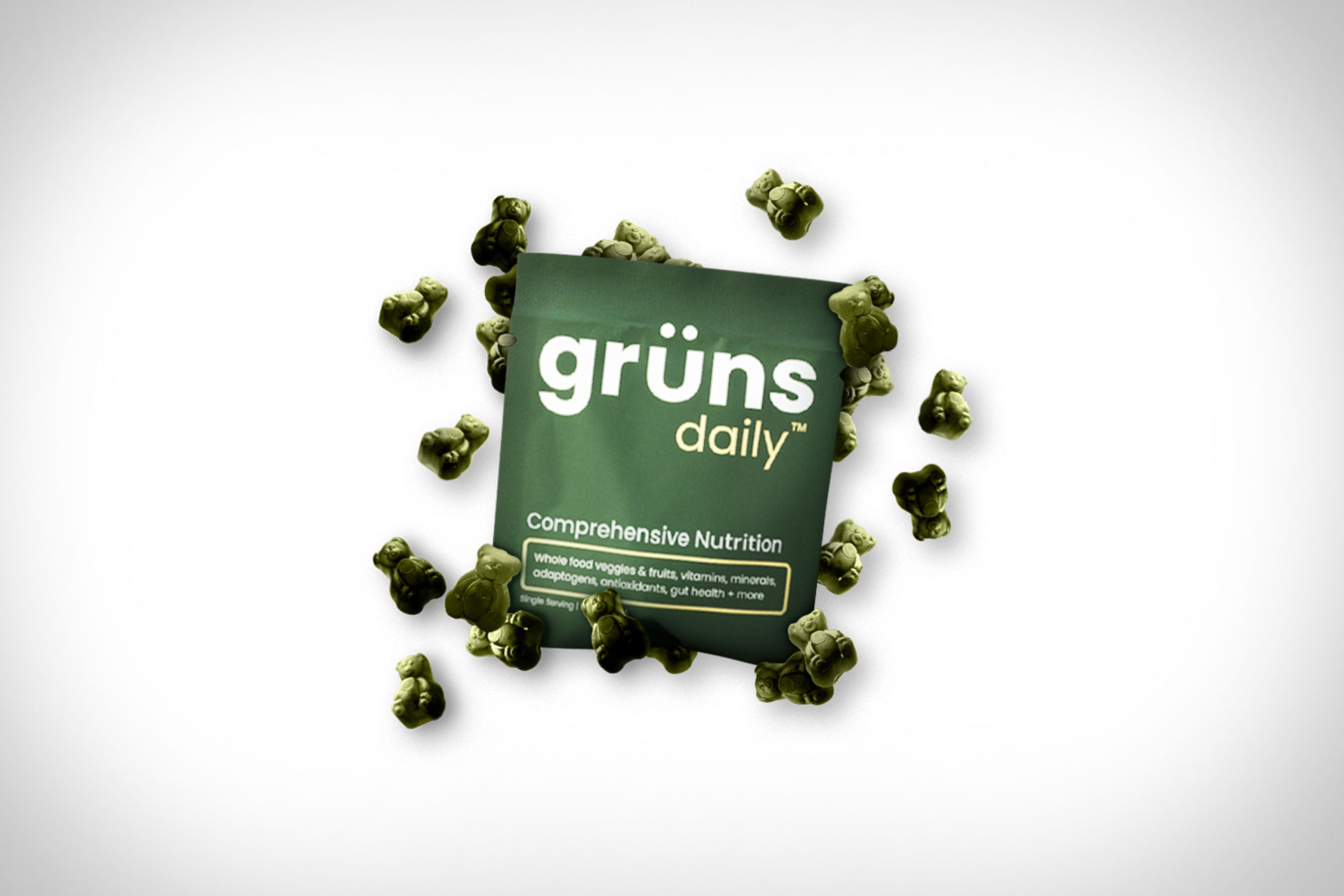
Is Grüns candy or the future of wellness?
Honestly—I’m not sure yet. But what is clear is that Grüns has taken the supplement space by storm.
The Numbers Don’t Lie
That’s rare air for a consumer brand not named Ozempic or Wegovy.
Background
Launched in 2023, Grüns took a sleepy corner of the supplement aisle—greens powders and multivitamins—and transformed it into something fun, functional, and weirdly snackable. The product? A superfood gummy that tastes like candy but acts like a full-spectrum daily nutrition stack.
Grüns’ value proposition is undeniably clever—but not truly innovative. It’s a remix of two proven hits: AG1, the all-in-one greens powder that promises better gut health, immunity, and energy, but comes with a chalky, hard-to-love taste. And Goli, which took the harsh ritual of apple cider vinegar shots and made it palatable and poppable through bright-red gummies.
Grüns is to AG1 what Goli was to ACV shots.
It borrows the functional benefits of AG1 and the format magic of Goli, wrapping them into a product that’s convenient, kinda craveable, and easy to consume—an enjoyable daily ritual. It’s less product innovation, more packaging genius—and that’s exactly why it works.
Why Micro-Influencers Were the Perfect Growth Engine
Grüns didn’t just ride the creator economy—they engineered it to their advantage.
Instead of burning cash on big-name macro influencers, the brand built a high-performing engine powered by micro and nano creators: wellness coaches, fitness TikTokers, and lifestyle influencers with small but deeply engaged audiences.
These creators are trusted, relatable, and perfect for storytelling. They're the ideal messengers to highlight both the unpleasantness of choking down greens powder and the health benefits and convenience of a gummy alternative.
In 2025, the most effective marketing isn’t broadcast—it’s conversational. And micro-influencers do conversation better than anyone, because followers consider them peers.
The strategy was especially successful when juxtaposed with AG1's big-budget macro-influencer approach, featuring names like Joe Rogan and Andrew Huberman. Compare Rogan’s forced-sounding, emotionless AG1 promo to Grüns’ energetic nano-influencer posts from @alli.weisss and @fashionistabreaux. Which piece of content would make you buy?
According to Performance Without Payment, micro-influencers can drive organic post rates of 20–40%, generate content that cuts through with authenticity, and convert with minimal upfront cost. Their audiences trust them: 82% of consumers act on micro-influencer recommendations, and 61% of Gen Z say they trust creators as much as friends or family.The Marketing Machine Behind the Gummy
Grüns doesn’t rely on celebrities or one viral moment. It runs a programmatic creator strategy, activating hundreds of micro and nano influencers every month, each sharing simple, relatable testimonials that feel more like FaceTime calls than polished ads.
And these creators aren’t just for show—they’re driving performance.
This isn’t spray-and-pray. It’s targeted. It’s scalable. And it works.
What CMOs Should Steal from Grüns
How Big is Big?
Grüns looks like a meme brand and a trend that can fizzle out. The supplement industry is littered with brands that failed when their trends died. However, the numbers say otherwise. Behind the pastel packaging is a meticulously built content and commerce engine. It doesn’t just reflect the future of wellness—it reflects the future of marketing.
We’ve seen this movie before: a wellness brand goes viral on TikTok, floods Instagram with pastel packaging, and announces a monster fundraiser that makes it look like they’re printing money. But Grüns? It might actually be different.
This is what influencer marketing looks like in 2025: decentralized, high-frequency, platform-native, and conversion-first—not clout-first.